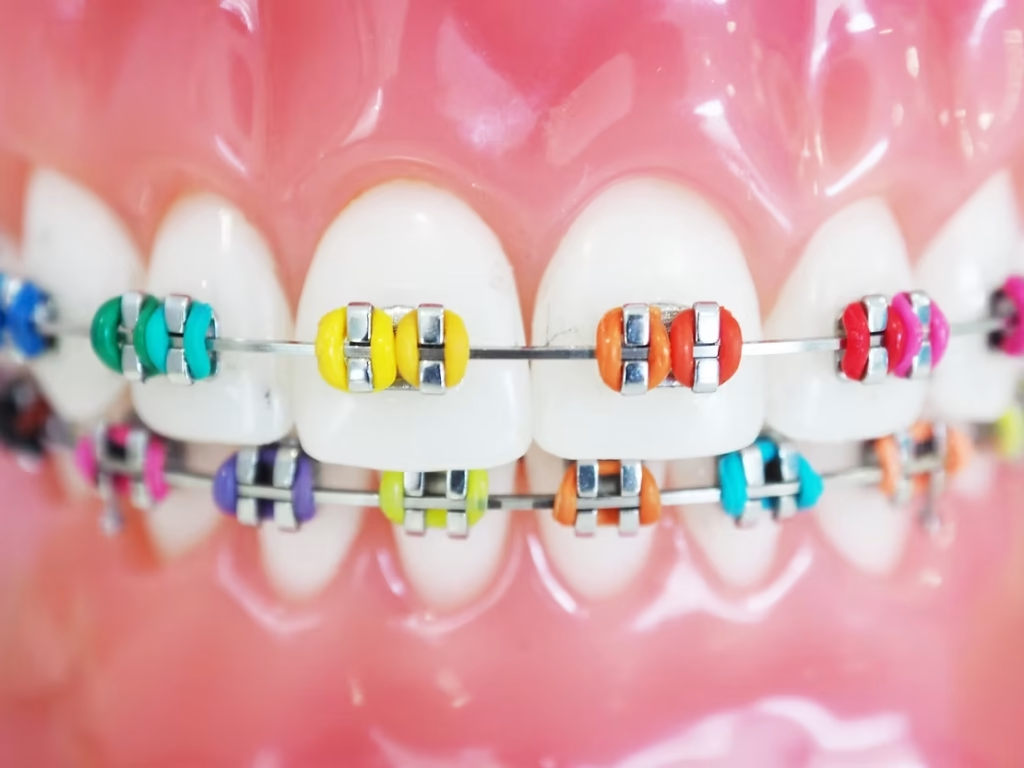
Hello Orthodontic simply means dealing with abnormalities of teeth and jaw.
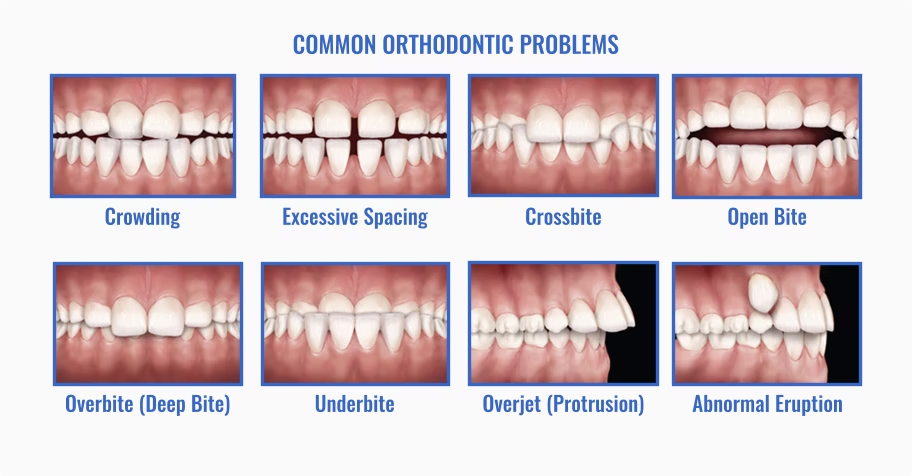
These are some of the common orthodontic problems.
What are the causes of orthodontic problems
- Oral habits like thumb sucking in children
- Cultures like false teeth mutilation
- Premature or delayed loss of primary milk teeth
- Malocclusions from TMJ disorders
- Others are inherited
Basically, orthodontic problems are easily seen visually and with x-rays.
Treatment for such problems basically comes down to;
- Fixed braces
- Clear aligners
- Plates and appliances
- Elastics
- Surgery
Fixed Braces
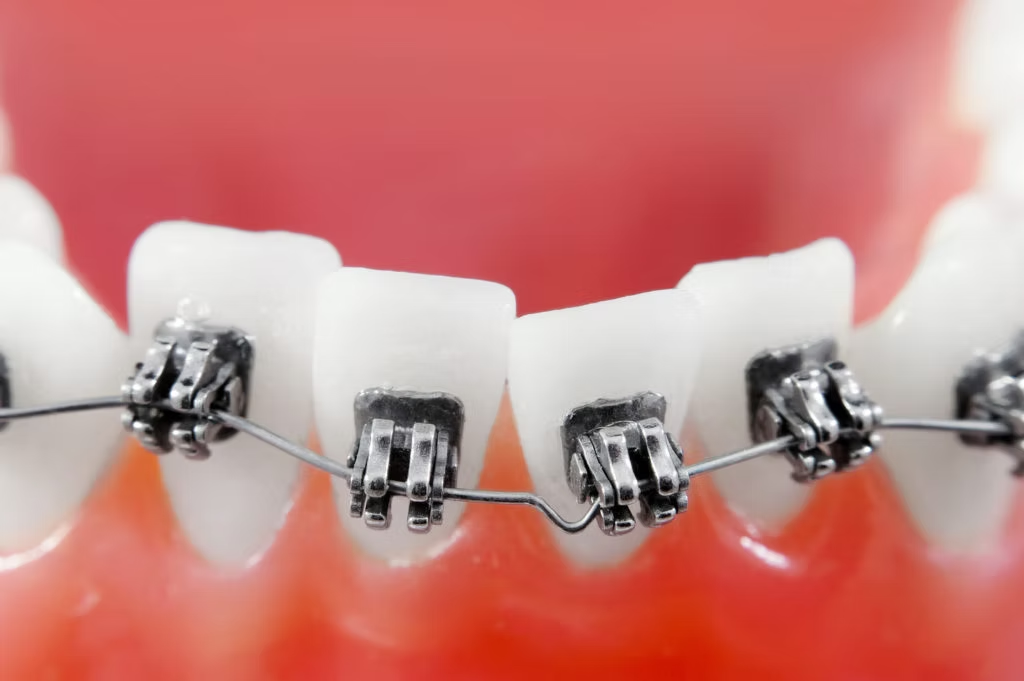
These are tiny brackets attached to the front or back of each tooth and a wire is tied to them. The constant gentle pressure of the wire slowly moves the teeth They are the most common treatment option and once put range from 4-24 months within the mouth before they achieve desired outcome.
Braces require retainers after they are removed to avoid relapse and they can correct many orthodontic problems with ease
Other orthodontic appliances
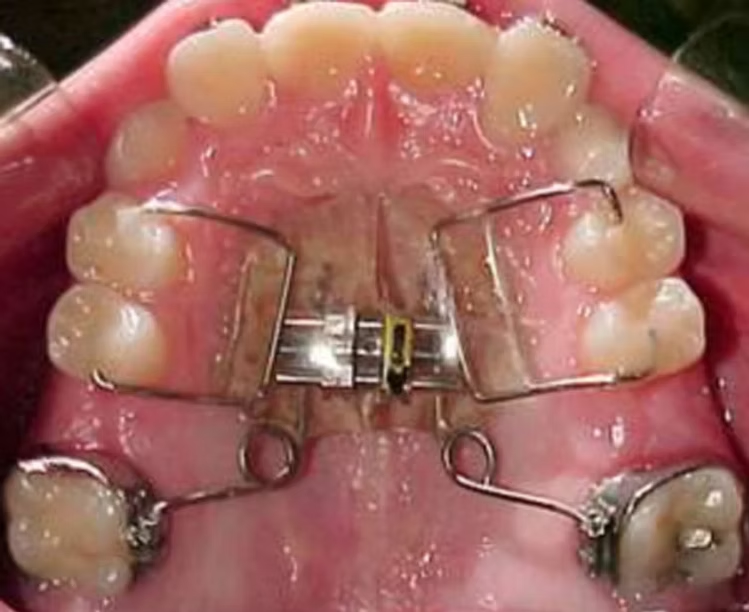
Common ones like clear aligners are a series of clear custom-molded plastic that sits over teeth and slowly move them to the desired locations
Plates are plastic devices that sit in the mouth and use wires and springs to move teeth or hold them in place. They are also removable
Most orthodontic treatments are done after all the permanent teeth have come through though some treatments can be started earlier to help avoid major treat- ments later on.
Adults of any age can have orthodontic treatment as well if they have orthodon- tic problems.
There are other orthodontic devices made to help combat habits like them sucking in children.
Braces may sometimes be combined with other plates especially in adults in order to get desired results
Risks of orthodontic treatments
- Orthodontic appliances need a lot of proper hygiene because they make cleaning teeth a little harder hence increase the chances of gum diseases, tooth decay, stains and discolora- tions. Its important that teeth are cleaned after every meal and reduced snacking of unhealthy sticky foods and sweets
- Braces may also dig into gums and cheeks injuring them
- Relapse is also a common happening as the corrected teeth move back to its position once brace is removed. But retainers help in such a case.
- In some instances, teeth have to be removed in order to realign the others.
- Difficulty adjusting to eating and speech and diet limited to specific foods
ORTHODONTIC TREATMENTS ARE DONE BY ONLY ORTHODONTIST AND YES WE HAVE THEM ON APPOINTMENT BASIS ONLY.
FAQ
Do braces hurt?
They do not often hurt though you may feel slight discomfort for a couple of days as your mouth gets used.
Does braces interfere with sports and other activities?
Wearing braces doesn’t stop you from doing sports but for rough contact sports, mouth guards are advised.
How do braces work?
Braces use a wire that when bent tries to regain its shape hence pull- ing teeth in the process.
Can I eat meat with braces?
Yes, but you should avoid bony meat and chicken as they tend to push away the brackets.
Do you have your own question too? Please contact us.