Hello, its DR. Ronald
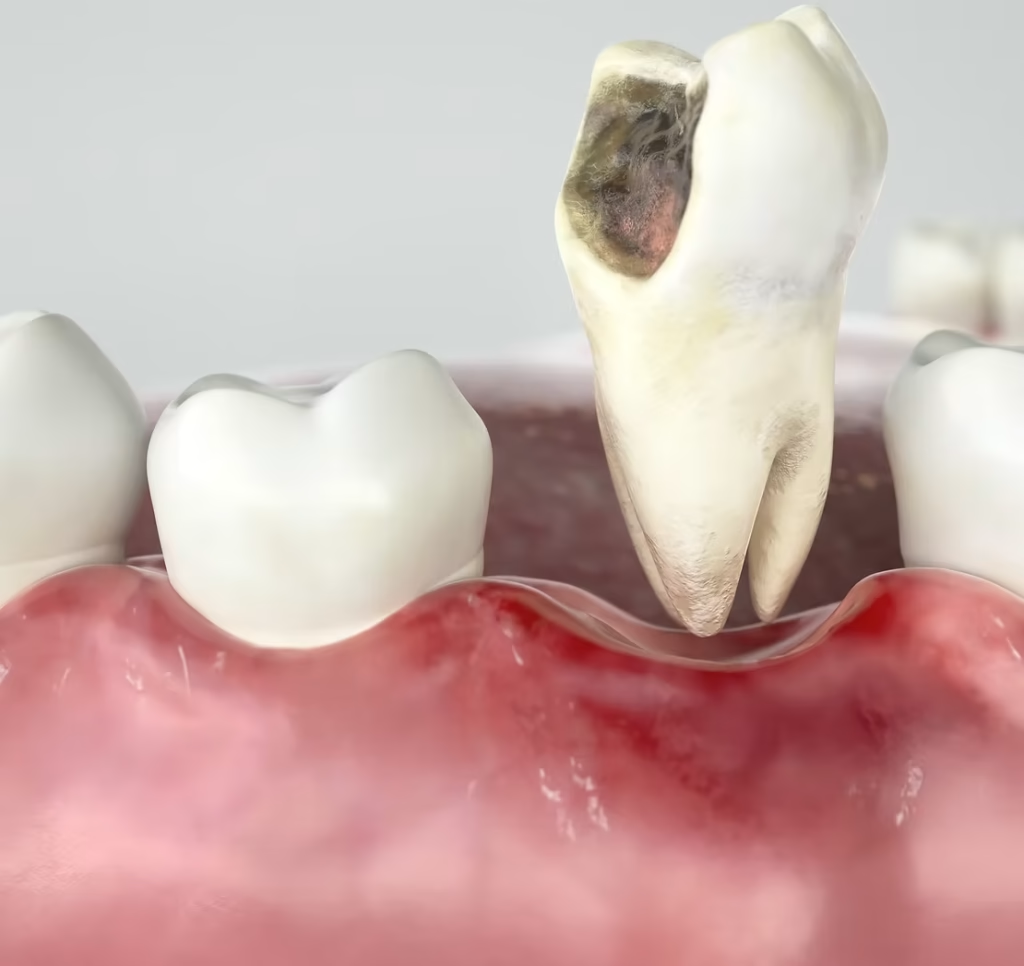
Dental caries or tooth decay is a bacterial disease of the tooth which causes cavitation/holes on the tooth. They normally start small and gradually become bigger if left untreated. This is a globally common problem that affects all age groups including babies Its most common on top of molars and in-between all teeth and sometimes difficult to detect at home,
Toothache is the pain associated with dental caries
The common symptoms are
- Tooth sensitivity
- Tooth pain
- Facial swelling
- Visible hole on the tooth
- Stains on the teeth
- Bad breath
What causes it then?
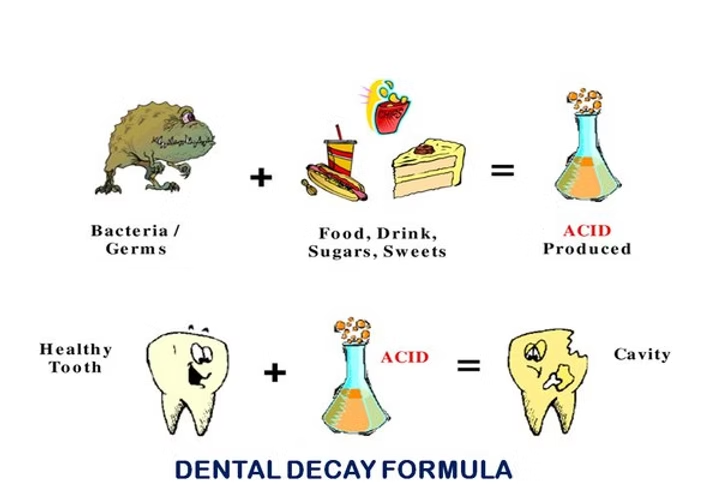
Its caused by plaque. Plaque is a sticky substance bound to the tooth harboring bacteria and food particles. The bacteria eats the food particles we leave in our mouths and produce acids that burns a hole on the tooth.
What are the risk factors/ causes?
- Poor oral hygiene routine
- Inadequate fluoride
- Bruxism and bulimia
- Medication that cause dry mouth
- Enamel and dentinal defects
- Gum diseases
- Consuming sugary starchy foods
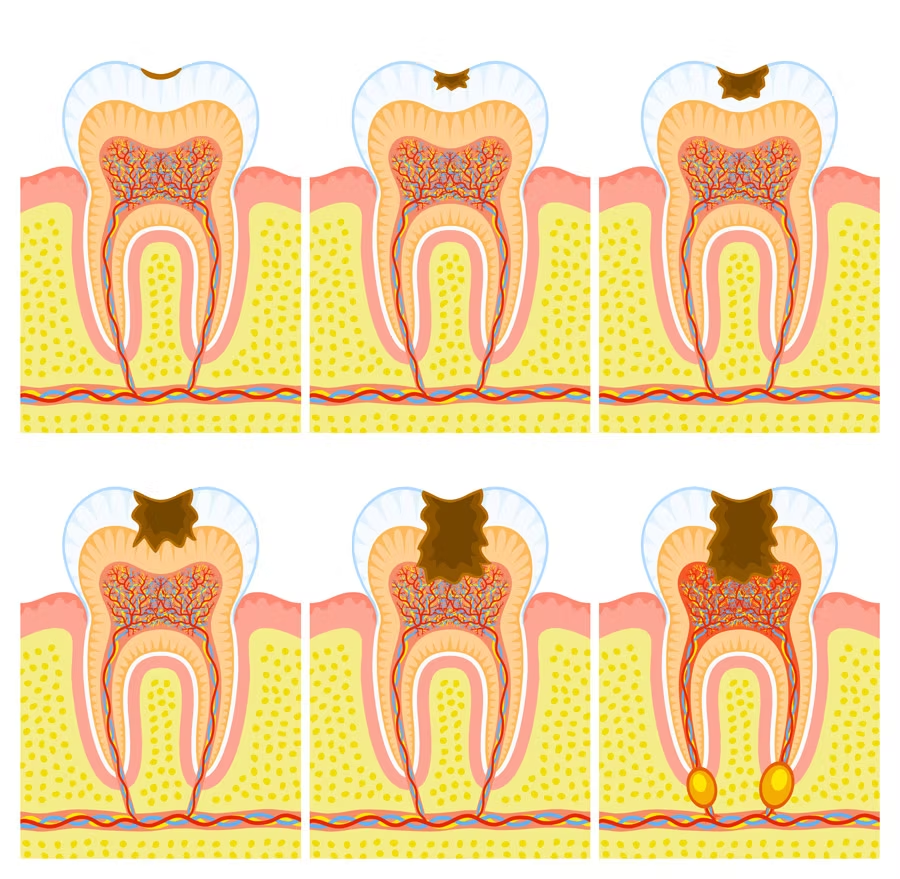
Dental caries starts as a small hole on the tooth and progresses if left untreated
God made the teeth the hardest part of our human body but these bacterial still prevails because you don’t do your part.
Treatment options for dental caries
- Tooth fillings. This involves removing affected part of tooth and filling with dental cement.
- Crowns This done in severe decay where the tooth structure is now weak.
- Root canal treatment. This is multiple visit procedure which involves removing of infected nerves from teeth and re- building its structure with dental ce- ment or crown.
- Extraction. This is where a badly damaged tooth is removed by a dentist and replaced later on.
Dental caries is easy to avoid and control. It just takes a few minutes of your time to vinit a dentist for regular checkups and recommendations.
Untreated caries can result to infections, abscesses and cancers.
Prevention of dental caries
- Brush your teeth twice a day with fluoride containing toothpaste
- Clean in-between your teeth daily with a dental floss or inter dental cleaners
- Rinse regularly with either antiseptic mouthwash or fluoride containing mouthwash
- Eat nutritious and balanced meals. A
- Ask your dentist about dental sealants
- Drink fluoridated water and eat fluori dated salt
- Do regular dental polishing and treat any early signs of carious lesion
- Visit your dentist regularly for profes- sional advice and oral exam.
What to do at home if your teeth starts paining
- Apply cold ice water compress at the area
- Use salt water rinse
- Chew garlic or mash it up and apply at the area
- Take available painkiller cautiously
- Sit with the head elevated
- Rinse with mouthwash or hydrogen peroxide solution
- Talk to your dentist
FAQ
What if all my teeth are sensitive?
You need to visit a dental professional for a cor- rect diagnosis of the cause before any interven- tion is done.
What if don’t treat sensitivity?
Depending on the cause it will lead to serious dental pain, pulpitis and infections.
Does it heal by its self?
Depending on the cause yes it does and does not.
Which toothpaste is good for sensitive teeth?
The one with desensitizing properties or high fluoride content.
Do you have your own question too? Please contact us.